
Managing the Sideline on Game Day
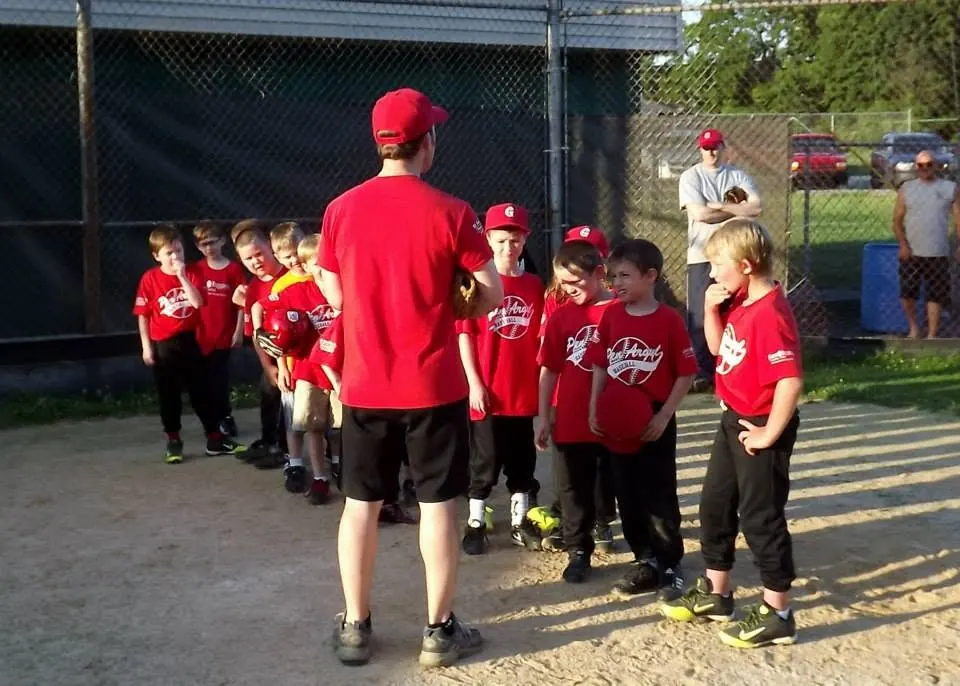
For a youth coach, game day can feel like controlled chaos. There are players to organize, substitutions to track, parents to manage and a game unfolding at full speed. A little planning goes a long way toward keeping the sideline calm and organized, which helps players perform their best.
Plan before game day
The best game-day management starts with preparation. Before the game, plan:
- Starting lineups and positions.
- A substitution plan that ensures fair playing time.
- Which assistant coaches will handle which responsibilities.
- Any special plays or strategies you want to use.
Write it down and bring it with you. Having a plan makes it easier to stay focused during the game.
Arrive early
Get to the field early to check the playing surface, set up the sideline and greet players as they arrive. Early arrival also gives you time to handle any last-minute issues, such as missing equipment or a player who is feeling unwell.
Assign roles
Divide responsibilities among your coaching staff. One coach might handle substitutions and playing time, another might focus on offense or defense, and another might monitor player health and hydration. Clear roles prevent confusion and ensure nothing is missed.
Track playing time
Fair playing time is a priority in youth sports. Use a simple chart or app to track who has played and for how long. Many leagues have minimum playing time rules, and keeping track ensures you follow them. It also helps you make fair decisions during the game.
Keep players engaged
Players on the sideline should stay engaged with the game. Encourage them to cheer for teammates, watch what is happening and be ready to go in. Some coaches give sideline players small jobs, such as tracking stats or watching for specific plays, to keep them focused.
Manage emotions
Games bring out strong emotions in players, coaches and parents. Coaches set the tone. Staying calm, positive and respectful, even when things are not going well, helps players stay composed. Avoid arguing with officials, and model good sportsmanship at all times.
Communicate clearly
During a game, keep instructions short and clear. Players cannot absorb long explanations in the middle of play. Save detailed teaching for practice or halftime.
Monitor health and safety
Watch for signs of injury, fatigue or heat illness. Make sure players have access to water and take breaks as needed. If a player shows signs of a possible concussion, remove them from play immediately and do not allow them to return until cleared by a medical professional.
Handle parents respectfully
Most parents are supportive, but occasionally a parent may try to coach from the stands or question decisions during the game. Address concerns calmly and privately after the game, or set expectations at the start of the season about sideline behavior.
Close the game well
After the game, gather the team for a brief talk. Recognize effort, highlight positives and keep criticism for another time. Make sure every player leaves feeling valued, regardless of the score. Then take a moment for yourself. Coaching is demanding, and you deserve credit for giving your time.
The bigger picture
A well-managed sideline helps players focus on playing and enjoying the game. It also shows them what preparation, organization and composure look like, lessons that will serve them long after their playing days are over.