
How to Plan a Youth Practice That Actually Works
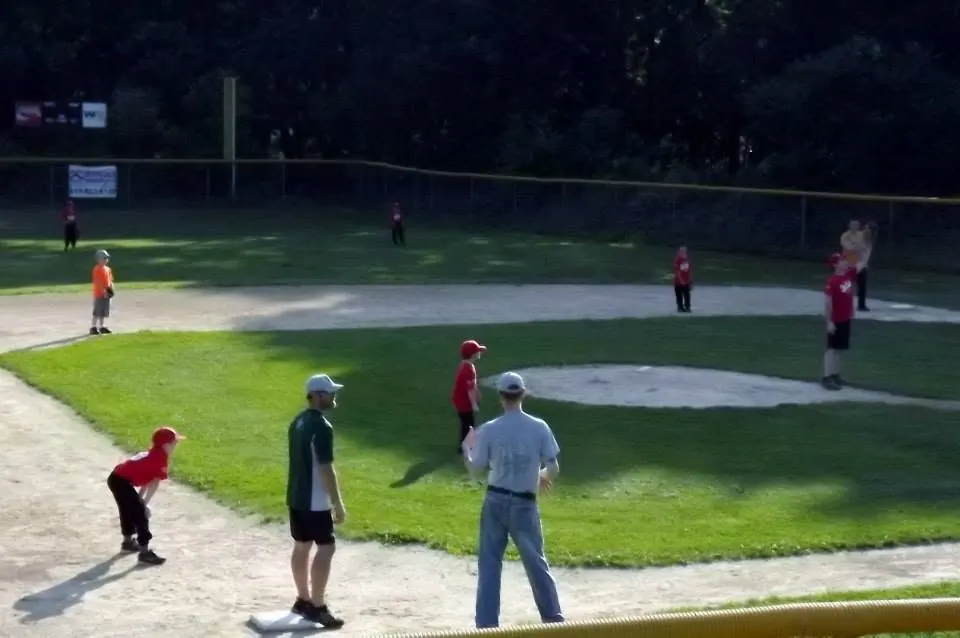
Anyone who has watched a disorganized youth practice knows what it looks like: kids standing in long lines, coaches talking for too long and a lot of chasing balls into the parking lot. A well-planned practice looks completely different. Players are moving, learning and having fun, and the time flies by. Here is how to build practices that work.
Plan before you arrive
The most important part of a good practice happens before anyone arrives. Write down what you want to accomplish and how you will use every minute. Break the practice into short segments, often five to fifteen minutes each, with specific goals for each block.
Having a written plan keeps you organized, helps assistant coaches know their roles and prevents wasted time.
Keep players moving
Young players learn by doing, not by listening. Long lectures lose their attention quickly. Aim to keep explanations brief, ideally under a minute or two, and get players into action fast. Demonstrate a skill, have them try it and give feedback as they practice.
Maximize touches
The more times a player gets to practice a skill, the faster they improve. Avoid drills where one child performs while everyone else watches. Instead:
- Use small groups or stations so many players are active at once.
- Give each player a ball whenever possible.
- Run drills in pairs or small circles rather than long single-file lines.
Build from simple to complex
Start with basic skills and gradually increase the challenge. A drill might begin with players practicing a technique at walking speed, then at full speed, then against light resistance or in a game-like situation. This progression builds confidence and good habits.
Use games
Children love games, and games can teach skills in a way that drills alone cannot. Small-sided games, relays and competitions that reinforce the day's skills keep energy high and let players apply what they learned.
Include rest and water
Young athletes need regular breaks, especially in heat. Build water breaks into your plan, and adjust if the weather is hot or humid. Rest periods are also good times for quick coaching points.
End on a positive note
Finish practice with a short team talk. Highlight what went well, recognize effort and remind players of what is coming up. Ending positively helps players leave practice feeling good and eager to return.
A sample practice plan
Here is an example of a seventy-five minute practice for a youth team:
- 0 to 10 minutes: Dynamic warm-up and agility drills.
- 10 to 25 minutes: Skill stations, rotating every five minutes.
- 25 to 30 minutes: Water break.
- 30 to 45 minutes: Small group work on position skills.
- 45 to 60 minutes: Team period or game-like situations.
- 60 to 70 minutes: Fun competition or scrimmage.
- 70 to 75 minutes: Cool-down and team talk.
The exact content will depend on the sport and age group, but the structure works for almost any youth team.
Reflect afterward
After each practice, take a few minutes to note what worked and what did not. Did a drill take longer than expected? Did players struggle with a skill? Use those notes to adjust your next plan. Over a season, this habit will make you a much better coach.
The goal
An effective practice leaves players tired, a little better than when they arrived and excited to come back. With planning and focus, any coach can create practices like that.