
Coaching Kids of Different Abilities on the Same Team
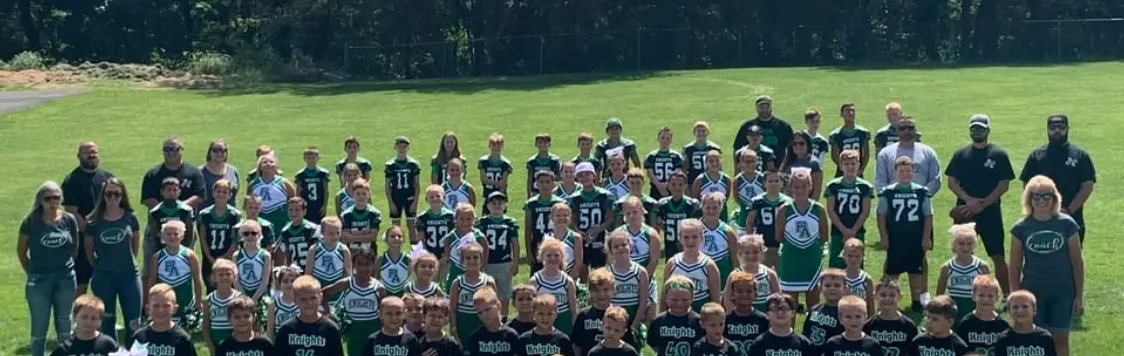
One of the biggest challenges in youth coaching is that players arrive with very different abilities. On the same team, there may be a child who has played for years alongside one who has never touched a ball. Some players are physically mature for their age, others are still growing. Coaching all of them well takes planning and patience.
Accept that differences are normal
Children develop at different rates, physically, mentally and emotionally. A child who seems behind at age eight may catch up quickly a few years later. A child who is ahead now may find others closing the gap. Youth coaches should avoid labeling players too early and focus on helping every child improve.
Use stations and groups
Splitting the team into smaller groups lets coaches tailor drills to different levels. Beginners can work on fundamentals while experienced players tackle more advanced versions of the same skill. Groups can be adjusted as players improve.
Mixing groups at times is also valuable. Experienced players can help newer ones, and newer players often rise to the challenge when working alongside stronger teammates.
Adjust the challenge
Many drills can be modified to suit different abilities. For example:
- Change the distance of throws or kicks.
- Adjust the speed of a drill.
- Add or remove defenders.
- Give advanced players an extra task, such as using their weaker hand or foot.
This approach keeps everyone engaged and learning at the right level.
Set individual goals
Help each player set goals that fit their development. A beginner might aim to make a catch in a game. An experienced player might aim to improve their footwork or leadership. Celebrating individual progress shows every child that their growth matters.
Be fair with playing time
In youth sports, every player deserves meaningful playing time. Many programs, including ours, make sure every child plays. Experienced players may get more time in key moments as they get older, but newer players should never feel like they are just there to fill out the roster.
Encourage leadership
Experienced players can be encouraged to lead by example, help teammates and show good sportsmanship. Giving them responsibility helps them grow and creates a supportive team culture.
Watch for frustration
Both beginners and advanced players can become frustrated. Beginners may feel they are not good enough. Advanced players may feel held back. Talk with players about their feelings and help them see the value in their role and progress.
Communicate with parents
Parents of beginners may worry their child is falling behind. Parents of advanced players may want more challenging opportunities. Clear communication about your approach, playing time and development goals helps manage expectations.
Remember the big picture
The goal of youth sports is not to build the most talented team possible but to help every child develop skills, confidence and a love of the game. A team where every player improves and feels valued is a successful team, regardless of its record.