
Base Running Basics for Young Players
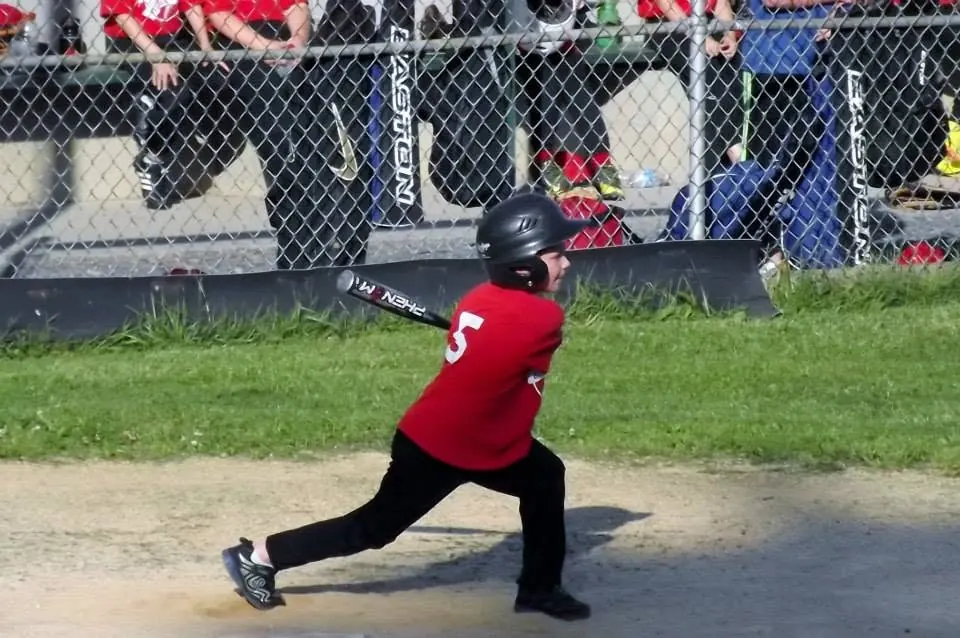
Base running is one of the most overlooked skills in youth baseball and softball. Players spend hours learning to hit and field, but many have never been taught how to run the bases efficiently. A few simple habits can turn a single into a double, prevent easy outs and make young players more confident on the field.
Run through first base
When a batter hits a ground ball, they should sprint all the way through first base, touching the front corner of the bag and continuing past it in a straight line. Slowing down before the base costs valuable time. After running through, they can turn to the right, into foul territory, and return to the bag.
Many young players jump onto the base or slide into first. Running through it is faster and safer.
Round the bases properly
When a hit is likely to go for extra bases, players should run in a slight curve before reaching first base. This "banana" path lets them hit the inside corner of the base and head directly toward second without making a sharp turn. Coaches can mark the path with cones in practice so players learn the shape.
Look to the coaches
At first base and third base, base coaches help runners decide whether to stop or keep going. Young runners should learn to listen and look for signals. A good rule is: when the ball is behind you, look at your base coach. When the ball is in front of you, you can usually see it yourself.
Leading off and taking off
Leagues have different rules about leading off and stealing, especially at younger ages. In many youth softball and kid pitch leagues, runners cannot leave the base until the ball is pitched or reaches the batter. Make sure players know the rules for their level, because leaving early can result in an out.
When runners are allowed to advance, they should be ready, in an athletic stance with weight forward, and take off quickly when the pitch is released or the ball crosses the plate, depending on the rule.
Know the situation
Before every pitch, base runners should know:
- How many outs there are.
- Where the defenders are positioned.
- Whether they must run if the ball is hit on the ground.
- What to do on a fly ball.
With fewer than two outs on a fly ball, runners usually stay near the base until the ball is caught or drops. With two outs, they run on contact. Teaching these rules early helps prevent double plays and confusion.
Sliding safely
Sliding should be taught carefully, on soft ground or a sliding mat, before players try it in games. Feet-first slides are generally safer for young players than head-first slides, and many youth leagues prohibit head-first slides except when returning to a base. Players should learn to slide early enough to avoid jamming a foot into the base.
Hustle is free
The best part about base running is that it does not require special talent. Any player can run hard on every hit, listen to their coaches and pay attention to the game. Hustle puts pressure on the defense and often leads to mistakes that help the offense.
Base running is a skill worth practicing. A few minutes at every practice can make a big difference in how many runs a team scores over a season.