
A Checklist for the First-Time Volunteer Coach
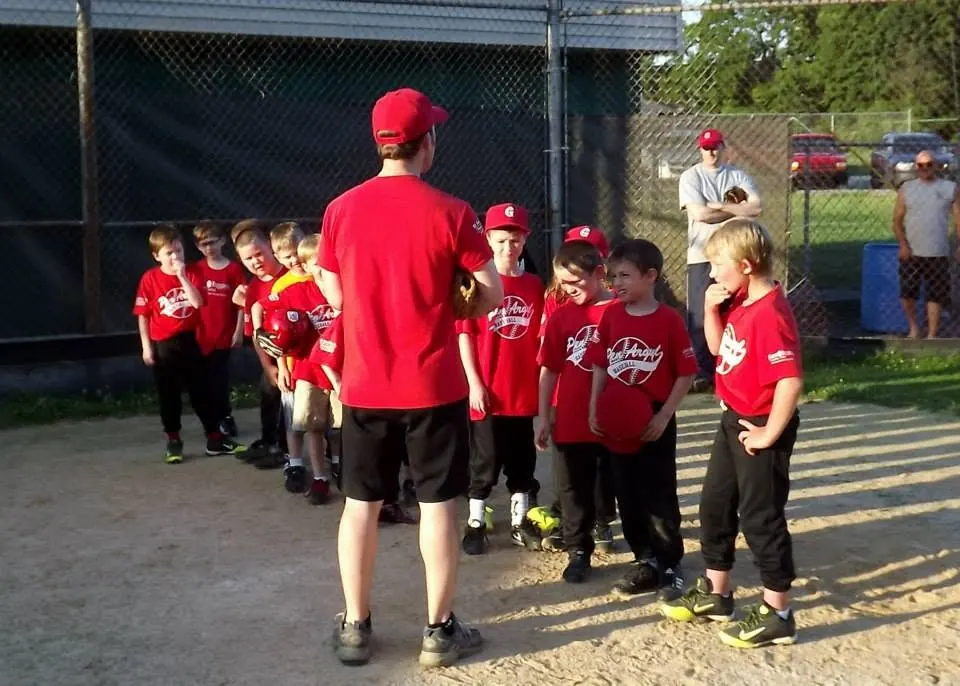
Every season, a few parents raise their hands and agree to coach for the first time. It is one of the most generous things a parent can do for a youth program, and one of the most intimidating. If that is you, take a breath. You do not need to know everything on day one. You do need a plan. Here is a checklist to help you start well.
Complete the required paperwork
In Pennsylvania, adult volunteers who work with children generally need clearances before they begin. These typically include the Pennsylvania Child Abuse History Clearance and the Pennsylvania State Police Criminal Record Check. Some volunteers also need an FBI fingerprint check, depending on how long they have lived in the state. Your program will tell you exactly what is required. Get started early, because processing can take time.
Take the training
Many youth sports organizations require or encourage coaches to complete safety training. A good starting point is the free CDC HEADS UP concussion training, available online. Many sports also have their own coaching courses that cover fundamentals, safety and age-appropriate practice planning. These courses are worth your time.
Learn the rules
Read the rules for your league and age group. Youth rules often differ from high school or professional rules, with modifications for playing time, contact, pitching or field size. Knowing the rules helps you teach correctly and avoid surprises on game day.
Meet your assistant coaches
You cannot do it alone. Recruit at least one or two assistant coaches, and make sure they also complete their clearances and training. Decide who will handle what, such as warm-ups, specific position groups or communication with parents.
Plan your first practices
Plan every practice in advance, broken into short segments. For younger players especially, keep drills brief and active. A good structure for a beginner practice might include:
- A dynamic warm-up.
- Skill stations focused on fundamentals.
- A fun game or scrimmage that reinforces the skills.
- A short cool-down and team talk.
Write your plan down and bring it to practice. It keeps you organized and helps assistant coaches know what comes next.
Hold a parent meeting
Before or at the start of the season, meet with parents. Share your coaching philosophy, expectations for attendance and behavior, how you will communicate and how playing time will work. Collect emergency contact information and ask about medical conditions or allergies. A good parent meeting prevents many problems later in the season.
Prepare for emergencies
Know where the nearest hospital is, where to find the first-aid kit and whether there is an automated external defibrillator at your field. Keep emergency contact information for every player with you at all times. Have a plan for weather, including lightning, which means clearing the field immediately.
Learn every name quickly
It sounds simple, but learning each child's name in the first practice makes them feel seen. Use their names often, especially when praising effort.
Focus on fundamentals and fun
Your main goals in a first season are to keep players safe, teach the basics and make sure every child wants to come back next year. Wins are nice, but they are not the measure of a good youth coach.
Ask for help
Experienced coaches in your program have faced the same challenges you will face. Ask them for advice, borrow their practice plans and learn from their mistakes. Every coach was new once.
Enjoy it
Coaching youth sports is hard work, but it is also deeply rewarding. You will see children grow, learn and gain confidence because of your efforts. Many coaches say their first season was the beginning of something they never expected to love so much.