
Teaching Sportsmanship on Purpose
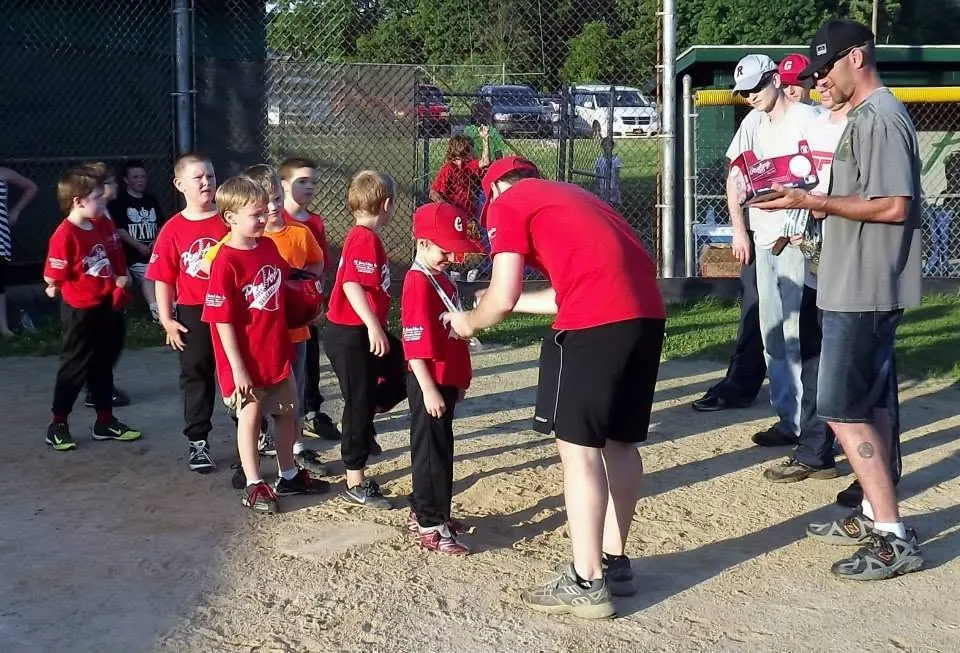
Sportsmanship is often treated as something kids will pick up on their own. In reality, it is a skill, just like tackling, throwing or stunting, and it needs to be taught deliberately. Coaches who make sportsmanship part of every practice and game help players develop character that lasts long after their playing days.
Define it clearly
Children understand sportsmanship better when it is broken down into specific behaviors. Examples include:
- Shaking hands with opponents after every game, win or lose.
- Respecting officials and accepting their calls.
- Encouraging teammates, especially after mistakes.
- Celebrating with joy but without taunting.
- Helping an opponent up after a fall.
- Thanking coaches, volunteers and officials.
Talk with players about these behaviors at the start of the season, and remind them regularly.
Practice it
Make sportsmanship part of practice. Run end-of-practice handshake lines between groups. Role-play situations, such as how to respond to a bad call or how to celebrate a touchdown. Discuss scenarios and ask players what the right response would be.
When players have practiced these behaviors, they are more likely to use them in the heat of a game.
Model it
Coaches set the tone. If coaches argue with officials, complain about opponents or lose their temper, players will follow. Coaches who stay calm, respectful and positive teach sportsmanship through their own example.
Recognize it
Celebrate good sportsmanship as enthusiastically as good plays. Some teams give out a weekly sportsmanship award. Others make a point of mentioning examples in team talks. When players see that sportsmanship is valued, they work to show it.
Address poor behavior
When a player shows poor sportsmanship, address it promptly and calmly. Explain why the behavior does not fit the team's values and what a better response would look like. In some cases, a short break from the game may help a player reset. The goal is to teach, not to shame.
Involve parents
Parents play a huge role in modeling sportsmanship. Share your expectations with parents at the start of the season, including how they should treat officials, opponents and other families. When parents and coaches send the same message, it reinforces the lesson.
Talk about winning and losing
Help players learn to win and lose with grace. Winning gracefully means celebrating without putting others down. Losing gracefully means acknowledging the other team's effort and looking for lessons rather than excuses. Both are skills that take practice.
Make it part of the identity
Teams that make sportsmanship part of their identity often find that players take pride in it. A team known for its respect and positive attitude is a team that players and families are proud to be part of.
The lasting impact
Players will forget most of the scores from their youth sports years. They will not forget the habits of respect, kindness and fairness they learned. Teaching sportsmanship on purpose is one of the most valuable gifts a youth coach can give.