
Managing Asthma and Allergies in Youth Sports
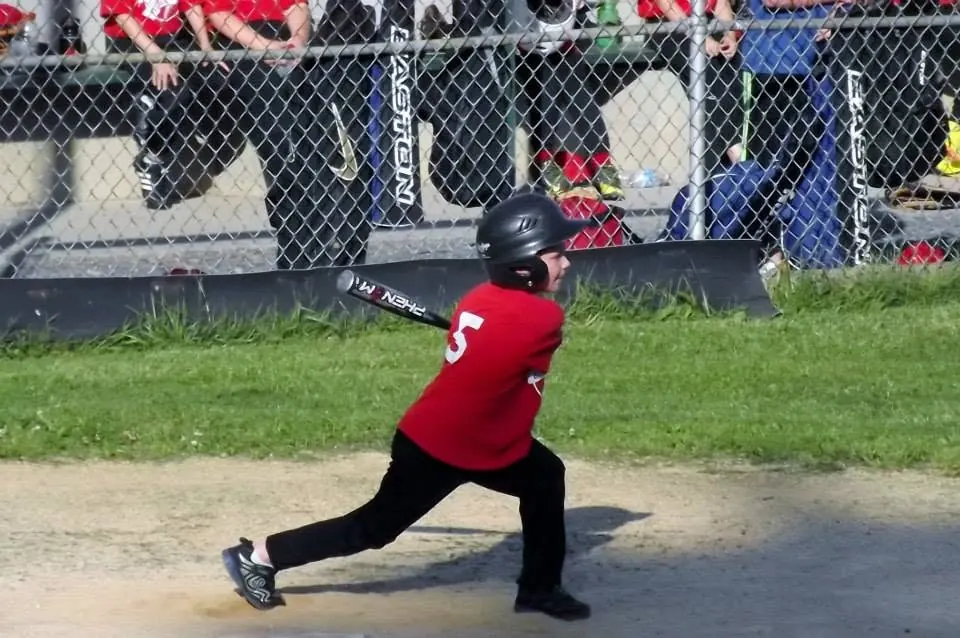
Many children with asthma or allergies play sports successfully every season. With a clear plan, the right medications and good communication between families and coaches, these conditions do not need to hold young athletes back. Here is how to keep them safe and active.
Asthma
Asthma is a condition that affects the airways, causing them to narrow and making it harder to breathe. Physical activity, cold air, pollen and other triggers can cause symptoms such as coughing, wheezing, chest tightness and shortness of breath. Some children experience exercise-induced bronchoconstriction, where symptoms appear during or after exercise.
Tips for athletes with asthma
- Work with your child's doctor to create an asthma action plan that explains daily management, how to recognize symptoms and what to do in an emergency.
- Make sure your child's rescue inhaler is available at every practice and game. Many doctors recommend using it before exercise if prescribed.
- Encourage a gradual warm-up, which can help reduce symptoms.
- Watch for triggers such as cold air, high pollen counts or poor air quality.
- Teach your child to recognize their symptoms and to tell a coach if they feel short of breath.
What coaches should know
Coaches should know which players have asthma, where their inhalers are kept and what to do if symptoms appear. If a player has trouble breathing, stop their activity, help them use their inhaler and follow their action plan. If symptoms do not improve, or if the player has severe difficulty breathing, call 911.
Food and insect allergies
Some children have severe allergies to foods, such as peanuts or tree nuts, or to insect stings. These can cause anaphylaxis, a life-threatening reaction. Symptoms may include hives, swelling of the face or throat, difficulty breathing, vomiting or feeling faint.
Tips for families
- Work with your child's doctor to create an allergy action plan.
- Make sure your child's epinephrine auto-injector is available at every practice, game and team event.
- Tell coaches about your child's allergies and how to use the auto-injector.
- Be cautious with team snacks and food at events.
What coaches should know
Coaches should know which players have severe allergies and where their epinephrine is kept. In an emergency, epinephrine should be given immediately according to the action plan, and 911 should be called. Team snacks should be planned with allergies in mind, and many teams choose to avoid common allergens entirely.
Seasonal allergies
Seasonal allergies to pollen, grass or mold can make outdoor sports uncomfortable. Symptoms such as sneezing, itchy eyes and congestion can affect performance. Talk to your child's doctor about managing seasonal allergies, which may include medications or simple steps like showering after practice to remove pollen.
Communication is key
The most important step is communication. Families should share information about their child's conditions, action plans and medications with coaches at the start of the season. Coaches should keep this information confidential and accessible in the team first-aid kit.
Empowering young athletes
Children with asthma and allergies can thrive in sports. Teaching them to understand their conditions, recognize symptoms and speak up when they need help builds confidence and independence. With the right support, they can play hard and enjoy every season.