
How to Run a Successful Youth Sports Fundraiser
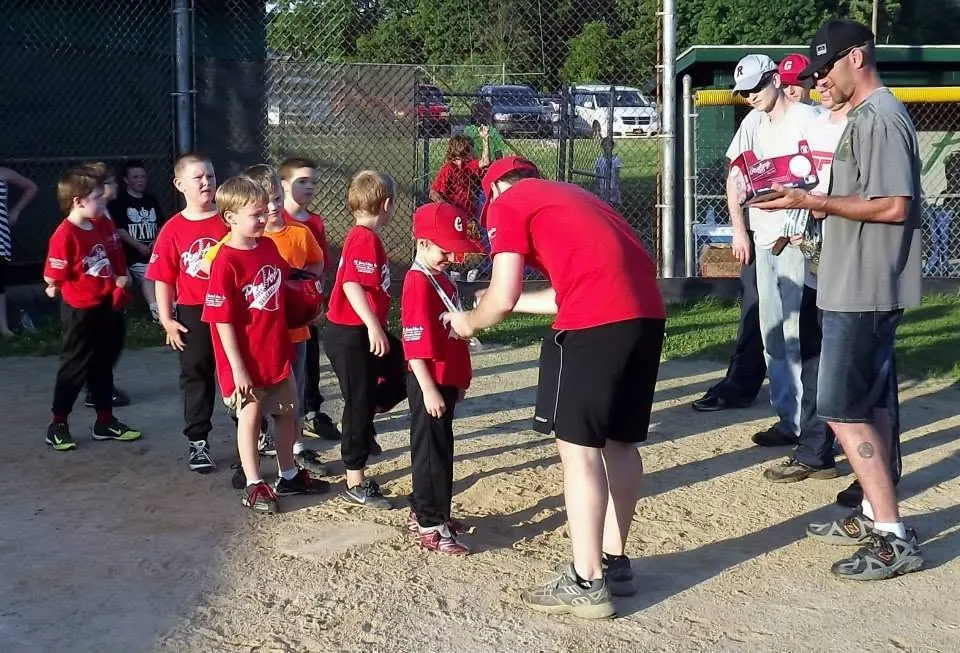
Fundraising is a fact of life for volunteer-run youth sports programs. Registration fees rarely cover the full cost of insurance, equipment and fields, and the gap has to be filled somehow. Over the years, our association has tried many types of fundraisers, from Candy Bar Bingo and Taco Night to a Virtual Raffle and community nights. Here are some lessons we have learned about running fundraisers that work.
Start with a clear goal
Before planning any fundraiser, decide what you are raising money for and how much you need. A specific goal, such as new helmets for a division or a scholarship fund, motivates volunteers and donors. People are more likely to give when they know exactly how their money will be used.
Choose the right type of event
Different fundraisers work for different communities. Consider:
- Food events, such as dinners, taco nights or bake sales, which are popular and bring people together.
- Games, such as bingo, trivia or raffles, which can be fun and profitable.
- Sales, such as discount cards, candles or apparel, which require less event planning.
- Online fundraisers, such as virtual raffles or online giving campaigns, which can reach people who cannot attend in person.
- Community events, such as community nights or trunk or treats, which build connections while raising money.
Think about what your community enjoys, what volunteers can realistically manage and what has worked in the past.
Plan early
Good fundraisers take time to plan. Start several weeks or even months ahead. Secure a location, recruit volunteers, gather donations and promote the event well in advance.
Recruit volunteers
No fundraiser succeeds without volunteers. Recruit a committee to share the work, and assign clear roles: someone to handle promotion, someone to manage money, someone to coordinate food and so on. Make it easy for people to help by offering short shifts.
Ask for donations
Local businesses are often willing to donate food, prizes or services, especially for a youth program. A personal ask, from someone the business owner knows, is usually the most effective. Always thank donors and recognize them publicly if appropriate.
Promote widely
Use every channel available: social media, flyers at local businesses, school newsletters, word of mouth and announcements at games. Remind people several times as the event approaches.
Handle money carefully
Money handling should follow clear procedures. At least two volunteers should count and record cash. Keep receipts for all expenses. Deposit funds promptly. Report results to the board and community. Careful financial practices protect volunteers and build trust.
Follow the rules
Some fundraisers, such as raffles and games of chance, are regulated by state law. In Pennsylvania, small games of chance are governed by specific rules and may require a license from the county. Check the requirements before planning any game-based fundraiser.
Say thank you
After the event, thank everyone who helped: volunteers, donors, sponsors and attendees. Share how much was raised and how it will be used. Gratitude builds goodwill for the next event.
Evaluate and improve
After each fundraiser, take time to review what worked and what did not. Was the event profitable? Did volunteers feel overwhelmed? What could be done differently? Use those lessons to improve future events.
The bigger picture
Fundraisers do more than raise money. They bring people together, build community and show children that the adults around them care enough to work for their benefit. That is a powerful message.