
Giving Feedback Young Athletes Can Actually Use
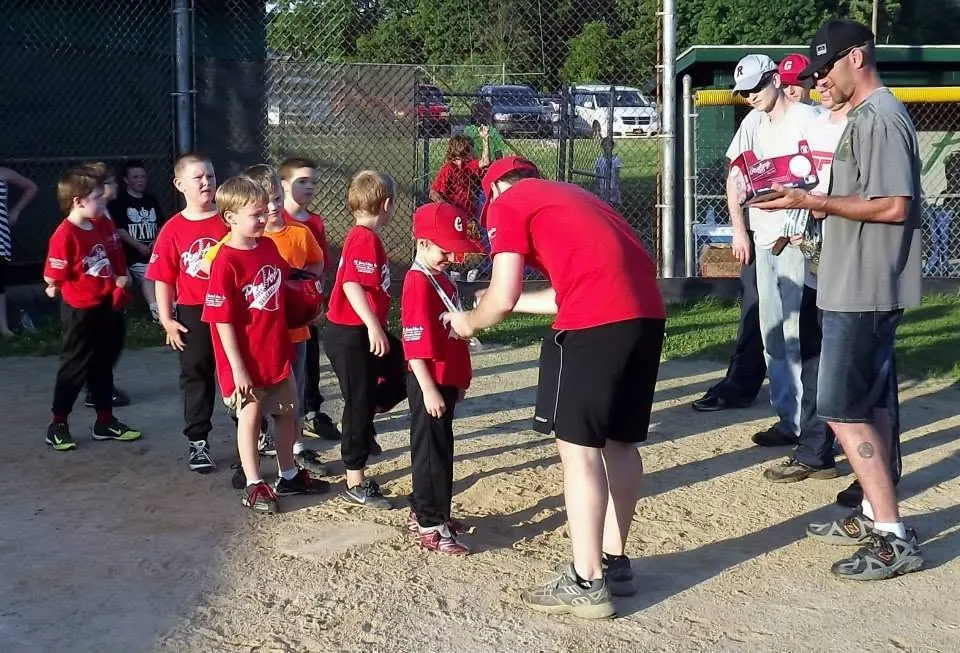
Coaches give feedback constantly, from shouts across the field to quiet words on the sideline. But not all feedback is equally helpful. Generic praise or vague criticism often goes in one ear and out the other. Effective feedback is specific, encouraging and easy for a child to act on.
Be specific
"Good job" feels nice, but it does not tell a child what they did well. Compare it with "You kept your eyes on the ball all the way into your glove." The second version tells the player exactly what to repeat.
The same applies to corrections. "That was wrong" gives a child nothing to work with. "Try stepping toward your target before you throw" gives them a clear next step.
Focus on what to do
Young players respond better to instructions about what to do than what not to do. "Keep your head up" is clearer than "Don't look at the ground." Positive instructions help children picture the correct action.
Balance correction with encouragement
Many coaches follow a simple approach: pair corrections with genuine praise. For example, "Your footwork was quick on that play. Next time, try to keep your hands up as you move." This keeps players motivated and open to improvement.
Be honest, though. Children can tell when praise is not genuine, and false praise loses its value.
Keep it short
Young athletes can only absorb one or two pieces of feedback at a time. Pick the most important point and focus on that. Giving a long list of corrections overwhelms players and makes it harder for them to improve.
Time it well
Immediate feedback during practice helps players connect the correction to the action. In games, though, players are focused and may not be able to process detailed instructions. Save longer conversations for practice or for calm moments on the sidelines.
Praise effort and attitude
Not all feedback should be about technique. Recognize effort, hustle, teamwork and good sportsmanship. "I loved how you sprinted back on defense" or "Thank you for encouraging your teammate" tells players that these qualities matter.
Use names and eye contact
When giving feedback, use the player's name and make eye contact. It shows that you are paying attention to them as an individual. Getting down to a young child's eye level can make a big difference.
Ask questions
As players get older, asking questions can be more effective than giving answers. "What do you think happened on that play?" or "How could you get to the ball faster?" encourages players to think for themselves and builds understanding.
Watch your tone
How something is said matters as much as what is said. A calm, supportive tone helps players listen. Yelling, sarcasm or frustration can make players anxious and less likely to learn. Coaches who stay positive, even when correcting, create an environment where children feel safe to make mistakes and improve.
The goal
Good feedback helps players understand what they are doing well, what they can improve and how to do it. Over time, it builds skills and confidence. And it shows young athletes that their coach believes in them, which may be the most powerful feedback of all.