
Building a Positive Team Culture in Youth Sports
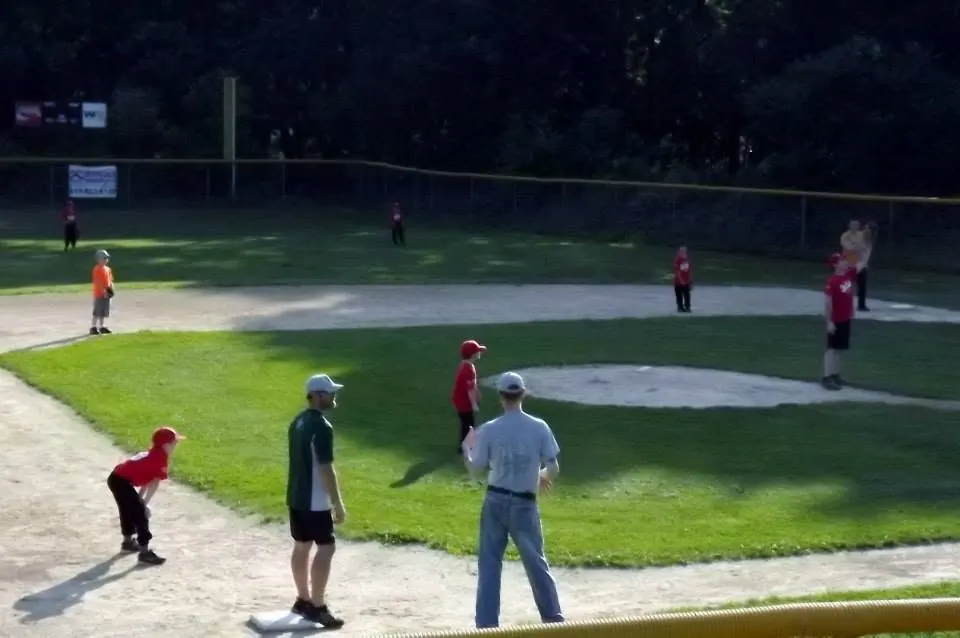
Every team has a culture, whether coaches plan it or not. It shows up in how players treat each other, how they respond to mistakes and how they behave when no adult is watching. A positive team culture helps players enjoy the season, learn more and develop into good people. Building it takes intention.
Define your values
Start by deciding what you want your team to stand for. Common values in youth sports include effort, respect, teamwork, sportsmanship and having fun. Choose a few and share them with players and parents at the start of the season. Simple, memorable phrases help, such as "Work hard, be kind, have fun."
Model the values
Players learn more from what coaches do than from what they say. If you want players to show respect, treat officials, opponents and players with respect yourself. If you want effort, show up prepared and energetic. Consistency between your words and actions builds credibility.
Recognize good behavior
Celebrate players who live the team's values. Recognize effort, encouragement of teammates, good sportsmanship and improvement, not just wins and statistics. Some coaches use weekly awards or recognition at team talks. When players see that these behaviors are valued, they repeat them.
Create a safe environment for mistakes
Players learn best when they feel safe to try new things and make mistakes. Coaches can create that environment by responding to errors calmly, focusing on what to do next and never mocking or humiliating players. Teams where mistakes are treated as learning opportunities tend to improve faster.
Build connections
Teams with strong relationships perform better and have more fun. Help players get to know each other through team activities, partner drills and opportunities to work together. Learning every player's name quickly and taking an interest in their lives outside sports shows players that you care about them as people.
Address problems early
Negative behaviors, such as teasing, exclusion or poor sportsmanship, can spread quickly if left unchecked. Address them early, calmly and privately when possible. Make it clear that these behaviors do not fit the team's values. Bullying should never be tolerated, and any serious concerns should be reported to program leadership.
Involve players
Giving players a voice helps them take ownership of the team's culture. Ask older players to help set team goals, choose team traditions or lead warm-ups. Players who feel invested in the team are more likely to uphold its values.
Include parents
Parents are part of the team culture too. Share your values with them, explain what you expect from sideline behavior and invite them to support the team positively. When parents and coaches send the same message, players hear it clearly.
Make it fun
A positive culture includes joy. Laughter, games and celebrations help players enjoy the season and build lasting memories. Children who have fun are more likely to stay in sports, which brings lifelong benefits.
The result
A team with a positive culture is a place where players feel supported, challenged and valued. They work hard, treat each other well and look forward to every practice. Long after the season ends, they remember not just the games, but the way the team made them feel.