
End-of-Season Medals and Why They Matter to Kids
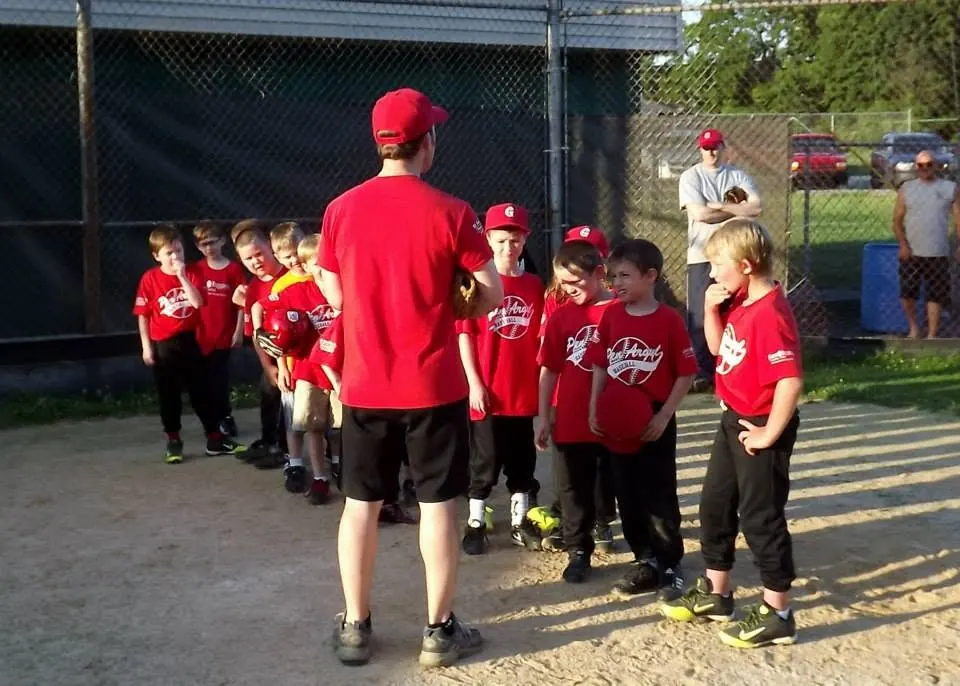
At the end of every kid pitch and softball season, there is a moment that never gets old. The team lines up on the infield dirt, still dusty from the last game, and a coach walks down the line placing a medal around each player's neck. Some kids beam. Some look at the medal like it is made of solid gold. A few immediately start comparing theirs with a teammate's. Parents stand behind the fence with phones raised.
The debate about awards
There has been plenty of debate in recent years about participation awards. Critics argue that giving every child a medal sends the message that showing up is the same as winning. It is a fair point to raise. But for young children in their early seasons, we think the medal means something different.
What the medal represents
For a seven or eight year old, a season is a long commitment. They have gone to practice week after week, sometimes when they would rather have stayed home. They have stood in the batter's box when they were scared, chased ground balls in the heat and learned to play with kids they may not have known before. They have struck out and kept going. They have made mistakes in front of a crowd and come back the next inning.
The medal recognizes that commitment. It says: you finished the season, you were part of a team and we are proud of you.
Recognition matters at young ages
Young children are still forming their sense of what effort means and whether it is worth it. A tangible reward for sticking with something helps reinforce that commitment pays off. Many players keep their early medals for years, hanging them in their rooms as reminders of their first teams and the friends they played with.
As children get older, awards naturally become more tied to performance, such as championship trophies, all-star selections and individual honors. By then, players understand the difference. In the early years, recognition for finishing is appropriate and valuable.
The ceremony itself
The way medals are handed out matters as much as the medals themselves. A coach who takes a moment with each child, says their name, shakes their hand or offers a word about something they did well during the season makes the moment personal. It tells every child that someone noticed them.
Some teams have coaches share one specific memory or improvement for each player. For a child who struggled with confidence, hearing a coach mention the day they made their first catch can be more meaningful than any medal.
Balancing recognition and growth
Recognizing every player does not mean pretending that everyone performed the same. Coaches can and should give honest feedback during the season. Players can learn about winning, losing and improving, and still be celebrated for being part of the team.
Why we keep doing it
At the end of the day, youth sports are about helping children grow. A medal costs very little, but the pride on a young face as it is placed around their neck is worth far more. It is a simple way to say thank you for the effort, and to encourage them to come back next season.