
Raising a Good Teammate
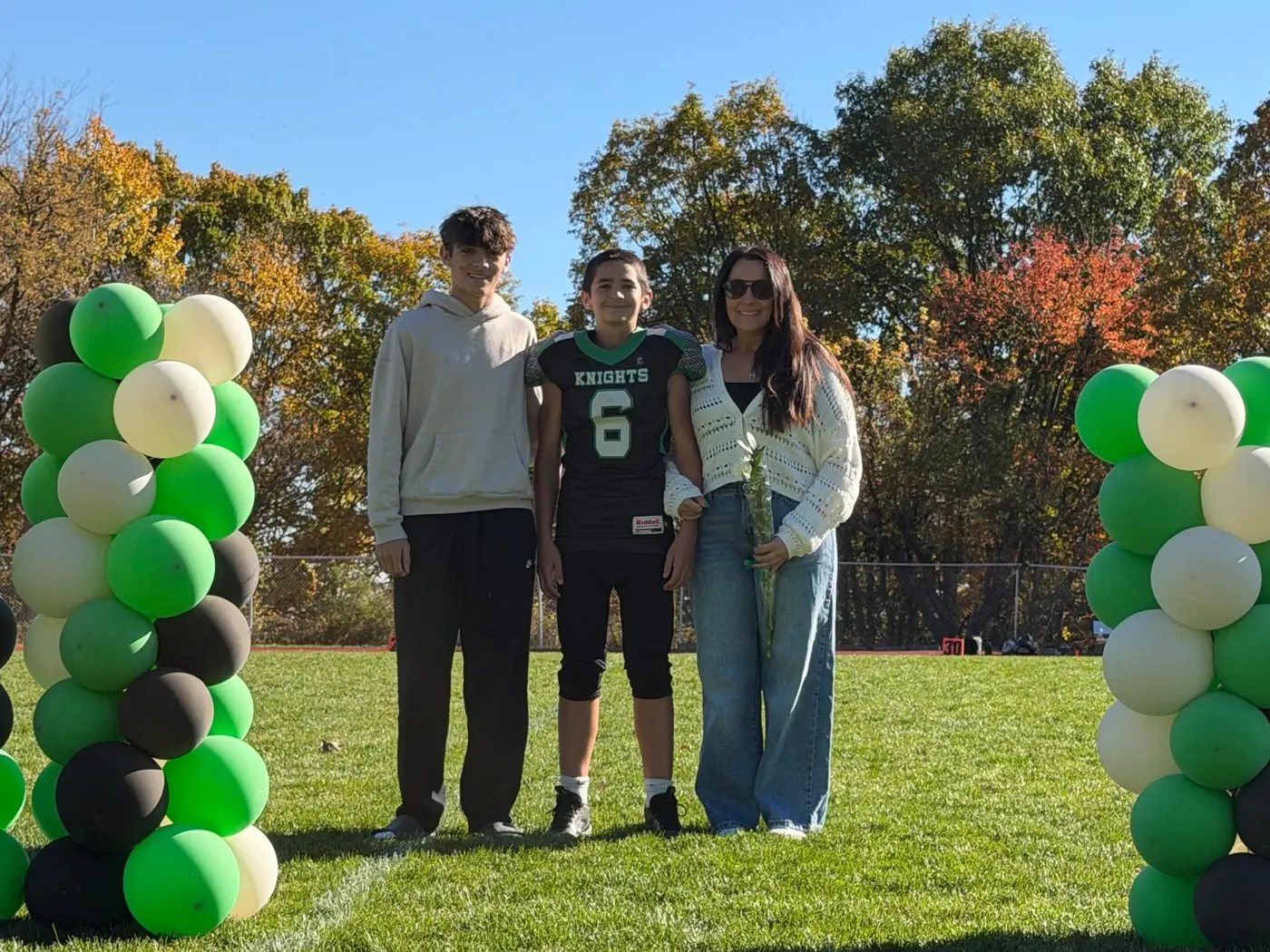
When former players look back on their youth sports years, they rarely remember statistics. They remember people: the teammate who always encouraged them, the friend who helped them up after a mistake, the kid who made everyone feel welcome. Being a good teammate is one of the most valuable skills a child can learn through sports, and parents have a big role in teaching it.
What makes a good teammate
Good teammates share a few common qualities:
- They encourage others, especially after mistakes.
- They celebrate teammates' successes as if they were their own.
- They show up on time and give their best effort.
- They accept their role, whether starting or coming off the bench.
- They listen to coaches and respect teammates.
- They include everyone, including new or less skilled players.
- They take responsibility for their own mistakes.
These qualities do not depend on talent. Any child can be a great teammate.
Model it at home
Children learn by watching the adults around them. When parents speak positively about other players, cheer for the whole team and avoid criticizing teammates, children absorb those values. When parents complain about other kids or compare their child to others, children learn that too.
Try to talk about teammates in ways that highlight their strengths. "Did you see that great catch by your teammate?" sends a different message than focusing only on your own child's performance.
Praise team behavior
When you notice your child doing something that helps the team, praise it specifically. "I saw you help that player up after he fell" or "I liked how you cheered for your teammate when she scored" reinforces the behavior. Children often hear praise for scoring and winning. Hearing praise for supporting others teaches them that it matters just as much.
Talk about roles
Not every child can be the star, and that is okay. Help your child understand that every role on a team matters. A lineman who opens a hole, a defender who stops a runner, a cheerleader who supports a stunt or a player who brings energy from the bench all contribute. Accepting and embracing a role is a sign of maturity.
Handle frustration with teammates
Sometimes children become frustrated with teammates who make mistakes or do not seem to try hard. Help them practice empathy. Ask how they would feel if they made that mistake, or whether their teammate might be struggling with something you do not know about. Encourage them to support rather than criticize.
Encourage inclusion
New players, younger players and players who are less skilled can feel left out. Encourage your child to welcome them, include them in warm-ups or simply say hello. A small act of kindness can make a big difference to a child who feels like an outsider.
Lead by example on the sideline
Your behavior at games teaches your child what being a good teammate looks like. Cheer for every player, respect the other team and officials and thank coaches and volunteers. Children notice how their parents act, and they follow suit.
The lasting value
The skills of a good teammate translate directly to life outside sports. Collaborating on school projects, working in a job, being part of a family and contributing to a community all require the same qualities. A child who learns to be a good teammate is learning to be a good person.