
The Car Ride Home: What to Say After the Game
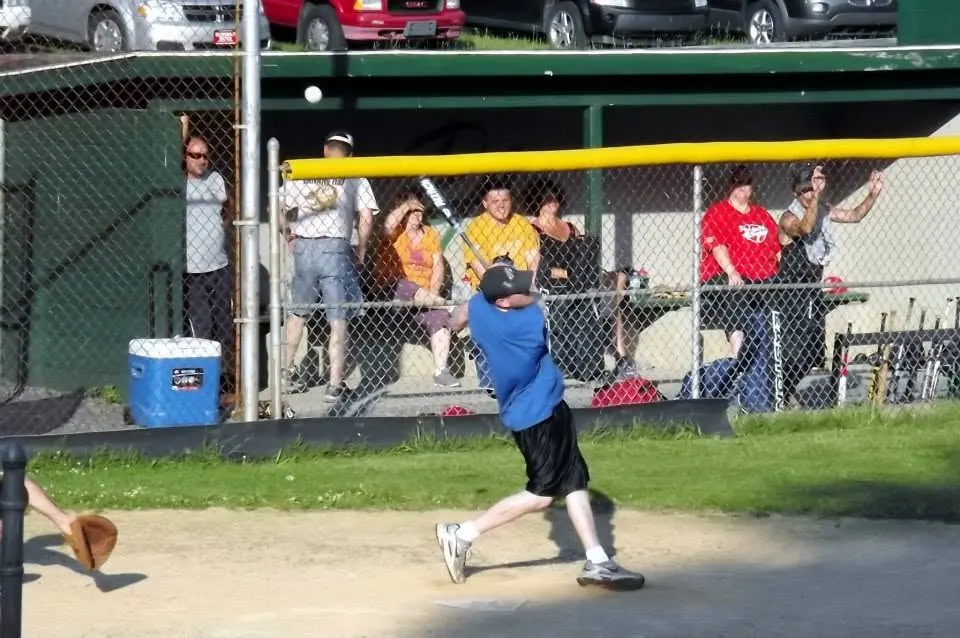
Many former athletes, when asked about their least favorite part of youth sports, give an answer that surprises their parents: the ride home. After a game, emotions are high. Kids are tired, hungry and still processing what happened. Parents, meanwhile, may be bursting with observations, advice or frustration. The result can be a conversation that leaves a child feeling worse instead of better.
Give them space
Right after a game, many children are not ready to talk about it. They may be happy, disappointed or simply exhausted. Before diving into analysis, give them a few minutes. Offer water and a snack. Turn on music they like. Let them decide when to start talking.
Lead with love
One phrase stands out in research and in conversations with young athletes as the most helpful thing a parent can say: "I love watching you play." It is simple, honest and focused on the relationship rather than the result. It tells a child that your support does not depend on how they performed.
Other positive openings might include:
- "That was fun to watch."
- "I could tell you were working hard."
- "What was your favorite part of the game?"
Let them lead the conversation
Instead of offering your own analysis, ask open-ended questions and listen. What did they think went well? What was hard? Was there a play they were proud of? Children often have insights into the game that adults miss, and they feel valued when their opinions are heard.
If they want advice, they will usually ask. If they do not, save it for another time.
Avoid the post-game breakdown
It can be tempting to replay every mistake: the missed tackle, the strikeout, the dropped catch. But children almost always know when they made a mistake. Hearing about it again from a parent, especially right after the game, can feel like criticism. Over time, it can make sports feel like a source of pressure rather than enjoyment.
The same goes for criticizing coaches, teammates or officials in front of your child. It puts children in an awkward position and can undermine their relationship with their team.
Handle tough losses with care
After a difficult loss, children may be upset, angry or tearful. Acknowledge their feelings rather than dismissing them. "I can tell you are disappointed" helps more than "It is just a game." Once emotions settle, you can help them find something positive or a lesson they can take forward.
Celebrate effort and growth
Praise the things your child can control: effort, attitude, teamwork and improvement. Noticing that they kept hustling, encouraged a teammate or tried something new tells them those qualities matter. Over time, children learn that effort and character are as important as results.
When to talk about improvement
There is a time for constructive feedback, but it is usually not the ride home. A day or two later, if your child is interested, you can talk about areas to work on, practice together or watch a video. Let them guide how much they want to discuss.
The long view
Most young athletes will not play sports beyond high school. What they will carry with them are the memories, friendships and lessons, and the feeling of whether their parents supported them. A positive ride home is a small but powerful way to make sure those memories are good ones.