
Preventing Overuse Injuries in Kids Who Play Year-Round
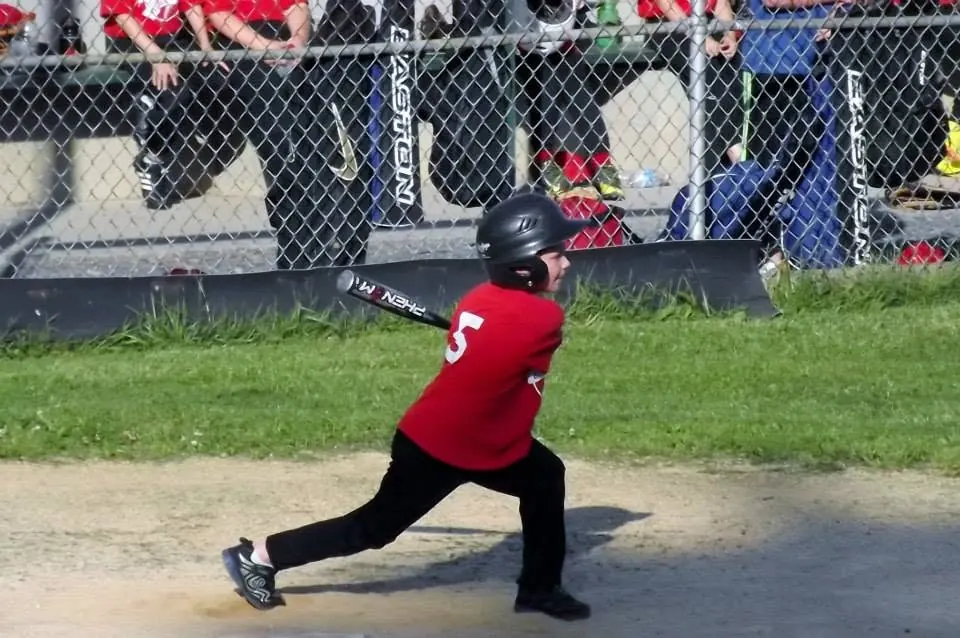
Not long ago, most children played different sports in different seasons: football in the fall, basketball in the winter, baseball in the spring. Today, many young athletes play one sport nearly year-round, often on multiple teams at once. Along with that trend has come a rise in overuse injuries, which happen when repeated stress on a part of the body does not have time to heal.
What overuse injuries look like
Unlike an acute injury, such as a sprained ankle from a single misstep, overuse injuries develop gradually. Common examples in young athletes include:
- Pain at the heel, often called Sever's disease, common in children who run and jump.
- Pain below the kneecap, often called Osgood-Schlatter disease.
- Elbow and shoulder injuries in throwing athletes.
- Stress fractures in the feet, shins or lower back.
- Inflammation of tendons from repeated motion.
Many of these involve growth plates, areas of developing bone that are more vulnerable in children.
Why children are vulnerable
Growing bodies are still developing strength, flexibility and coordination. During growth spurts, bones can lengthen faster than muscles and tendons, creating extra tension. Young athletes may also have less awareness of how to pace themselves or when to rest.
Prevention strategies
Take time off
Many sports medicine experts recommend that young athletes take time off from organized sports each year, including at least one or two days off per week during a season and breaks of a few months spread throughout the year from any single sport.
Play multiple sports
Playing different sports uses different muscles and movement patterns. This reduces repetitive stress and helps children develop overall athletic skills. Many accomplished athletes played multiple sports as children before specializing in their teens.
Follow guidelines
Some sports have specific guidelines to prevent overuse, such as pitch counts in baseball. Follow them carefully and keep track of total activity across all teams.
Warm up and condition
A good warm-up and age-appropriate strength and flexibility training can help prevent injuries. Conditioning should build gradually, especially at the start of a season.
Use proper technique
Poor technique can place extra stress on certain parts of the body. Good coaching helps young athletes learn movements that are both effective and safe.
Use proper equipment
Shoes and gear that fit well and are appropriate for the sport help reduce stress on the body.
Listen to pain
Pain is a signal that something is wrong. Young athletes should never be encouraged to play through pain. Warning signs include pain that worsens during activity, persists after rest, causes limping or changes in movement, or affects daily activities. If a child has persistent pain, they should rest and be evaluated by a health care provider.
Watch for burnout
Overuse is not only physical. Young athletes who play one sport intensely all year may lose interest, feel stressed or stop enjoying the game. Signs of burnout include fatigue, irritability, declining performance and reluctance to go to practice. Rest and variety help with mental health as well as physical health.
The long game
The goal of youth sports is to help children develop a lifelong love of physical activity. Protecting them from overuse injuries and burnout keeps them healthy and enjoying sports for years to come.