
Recognizing Concussion Signs in Young Athletes
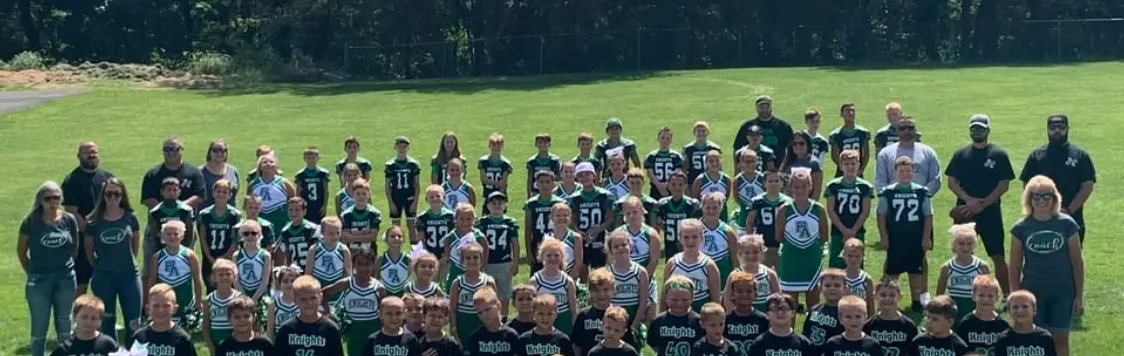
A concussion is a brain injury caused by a bump, blow or jolt to the head, or by a hit to the body that causes the head to move rapidly. In youth sports, concussions can happen in football, cheerleading, softball and almost any activity where falls or collisions occur. The most important thing to know is that concussions do not always look serious at first. Many children never lose consciousness. Some do not even realize they have been hurt.
Signs observed by others
Coaches, parents and teammates may notice that a player:
- Appears dazed or stunned.
- Is confused about assignments, positions or the score.
- Forgets plays or instructions.
- Moves clumsily or seems off balance.
- Answers questions slowly.
- Loses consciousness, even briefly.
- Shows changes in mood, behavior or personality.
- Cannot recall events before or after the hit or fall.
Symptoms reported by the athlete
A child with a concussion may say they have:
- A headache or feeling of pressure in the head.
- Nausea or vomiting.
- Dizziness or balance problems.
- Double or blurry vision.
- Sensitivity to light or noise.
- Feeling sluggish, foggy or groggy.
- Trouble concentrating or remembering.
- Just "not feeling right."
Young children may not be able to describe their symptoms clearly. Watch for changes in behavior, such as unusual irritability, crying or losing interest in favorite activities.
When in doubt, sit them out
The rule in youth sports is simple: if a concussion is suspected, the athlete is removed from play immediately and does not return that day. They should be evaluated by a health care provider experienced in concussion care. Returning to play too soon, while the brain is still healing, increases the risk of a more serious injury.
Danger signs
Some signs require immediate emergency care. Call 911 or go to the emergency department if an athlete:
- Has one pupil larger than the other.
- Is drowsy or cannot be awakened.
- Has a headache that gets worse and does not go away.
- Has slurred speech, weakness, numbness or decreased coordination.
- Has repeated vomiting, convulsions or seizures.
- Becomes increasingly confused, restless or agitated.
- Loses consciousness, even briefly.
Recovery
Most children recover from a concussion within a few weeks, though some take longer. Recovery often includes a short period of relative rest, followed by a gradual return to normal activities, including school, under the guidance of a health care provider. Return to sports should follow a step-by-step plan, with the athlete moving to the next step only if symptoms do not return.
Prevention
Not every concussion can be prevented, but the risk can be reduced:
- Teach safe technique, such as keeping the head out of contact in football.
- Make sure equipment, especially helmets, fits properly and is maintained.
- Follow rules designed to protect athletes, including limits on contact in practice.
- Create a culture where athletes feel comfortable reporting symptoms.
Free training
The Centers for Disease Control and Prevention offers free HEADS UP concussion training for coaches and parents. It takes less than an hour and is an excellent resource for anyone involved in youth sports. Our coaches are encouraged to complete it, and we invite parents to do the same.
A shared responsibility
Protecting young athletes from the effects of concussions is everyone's job. Coaches, parents, officials and teammates all play a role in recognizing signs, removing athletes from play and supporting a safe return. When everyone takes it seriously, young athletes can enjoy sports with confidence.