
Your Child's First Football Season: What to Expect
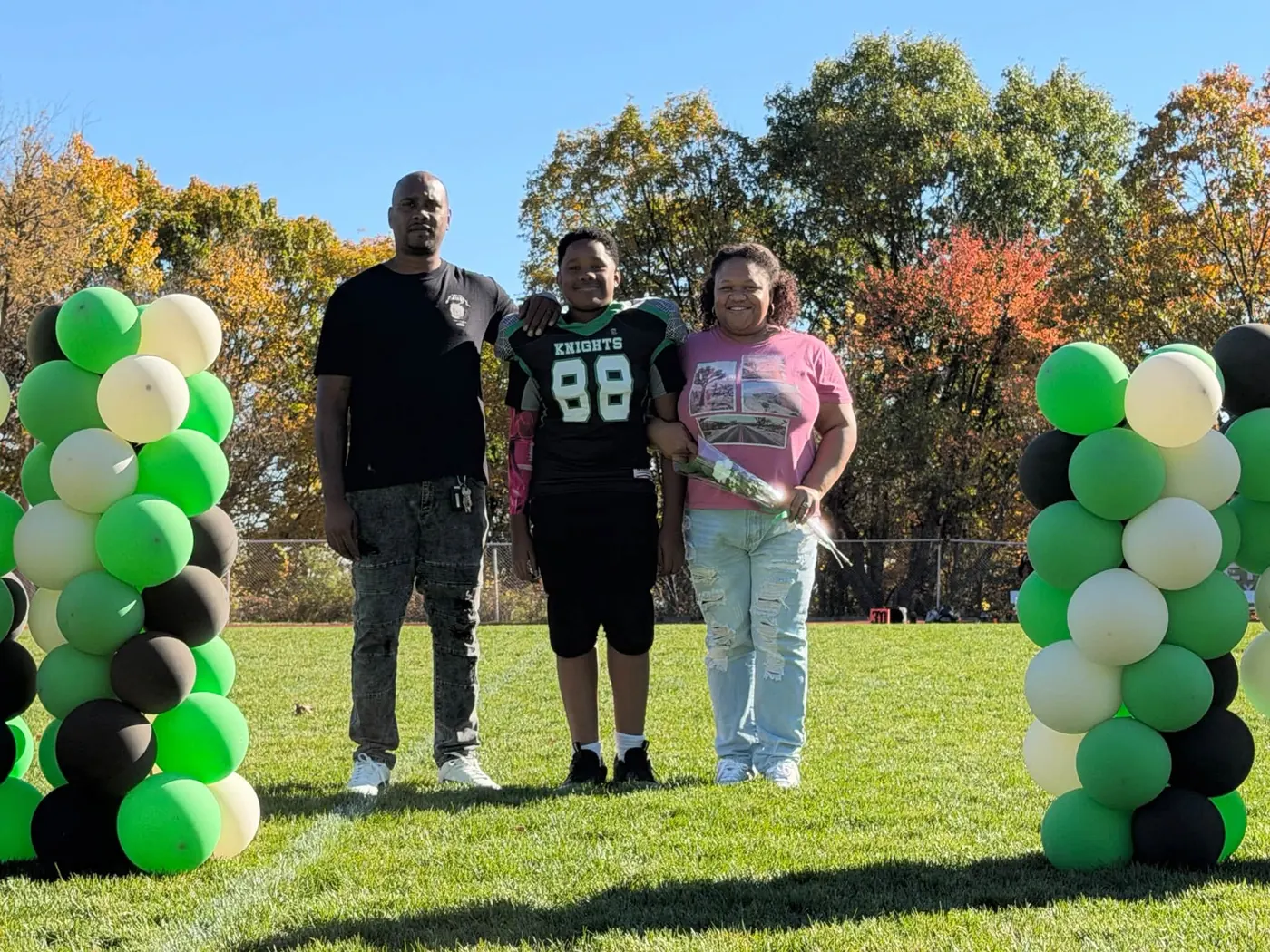
Every spring we meet families who are signing a child up for football for the very first time. Some are excited, some are nervous and many are both. If that describes you, it helps to know what the first season actually looks like. There are fewer surprises when you know the rhythm in advance.
Before the season starts
Registration usually happens months before the first practice. You will fill out forms, provide proof of age and arrange a sports physical if one is required. This is a good time to ask questions about practice schedules, fees and what equipment your family needs to buy.
As summer winds down, there will be an equipment day. Helmets and pads are fitted to each player, and you will get a list of personal items such as cleats, a mouthguard, practice pants and compression gear. Buy cleats that fit now, not ones to grow into. Loose cleats lead to blisters and rolled ankles.
The early weeks
The first few weeks of practice are about conditioning and fundamentals. Players spend a lot of time learning how to stand, how to move and how to listen. Coaches introduce helmets first, then shoulder pads, and only later full contact. This gradual approach gives young bodies time to adjust to the heat and the weight of the equipment.
Expect your child to come home tired. Expect them to complain at least once that practice is too hard. That is normal. Help them keep a simple routine of water, food and sleep, and keep encouraging them to stick with it.
Learning the game
Football has a lot of terminology, and new players often feel lost for a while. Positions, formations and plays can be confusing. Coaches usually start with simple concepts and add more as the season goes on. If your child is unsure what they are supposed to do, encourage them to ask their coach. Coaches would much rather answer a question than watch a player guess.
Do not be surprised if your child plays several positions in the first season. Younger players often rotate so coaches can see where they fit and so every child gets a feel for the game.
Game days
Game days are exciting. There are uniforms, crowds, cheerleaders and a lot of noise. For a first-year player, it can be overwhelming. Arrive early so your child has time to settle in with the team. Pack water, a snack for afterward and a warm layer for chilly evenings.
Playing time in youth football should be fair, and in our program every player gets onto the field. A first-year player may not start, but they will play. The best thing you can do is cheer for the whole team, not just your child.
Bumps, bruises and real injuries
Football is a contact sport, and some soreness is part of it. Bruises and tired muscles are common. What is not normal is a headache, dizziness, confusion, nausea or sensitivity to light after a hit. If you notice any of these signs, tell the coach and keep your child out of play until a medical professional evaluates them. Concussions are taken seriously at every level of our program.
The end of the season
By the final game, most first-year players are different kids. They understand the game better, they have new friends and they have learned something about pushing through when things are hard. Many families tell us the first season was the beginning of a long connection to the team and to the community around it.
If you have questions before your child's first season, come to one of our monthly meetings or reach out through our contact page. We were all new once.