
Backyard Drills That Make Softball Players Better
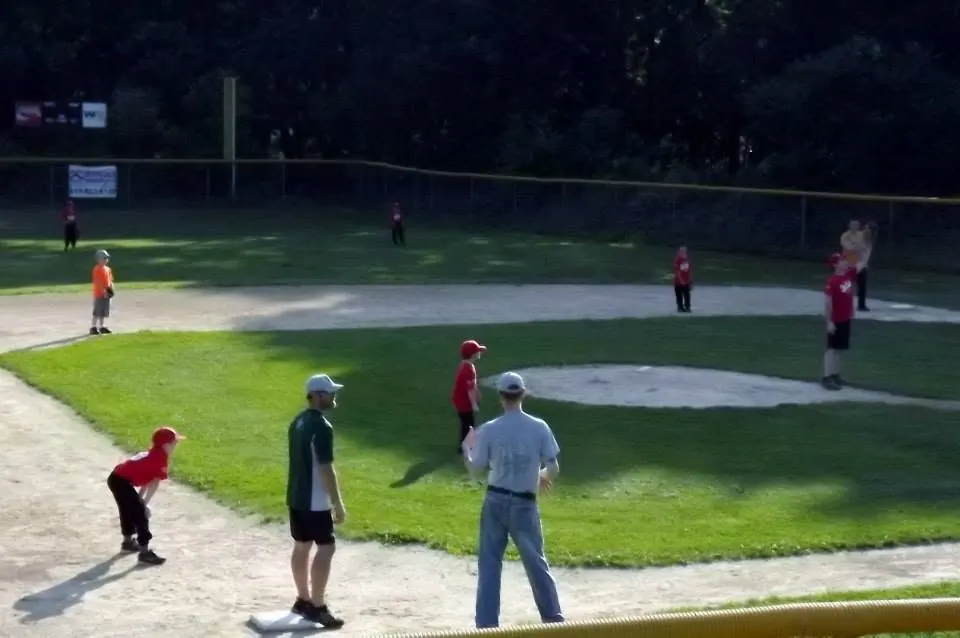
Many parents want to help their child improve at softball but are not sure where to start, especially if they did not play the sport themselves. The good news is that a backyard, a driveway or a quiet park can be a great training ground. A few simple drills, done regularly, can make a real difference.
Safety first
Before starting, choose a space away from windows, cars and neighbors. Use softer balls, such as foam or reduced-impact balls, for younger players or when practicing in tight spaces. Make sure everyone involved, including younger siblings, knows where balls will be thrown and hit.
Throwing and catching
Basic catch
Playing catch is the most valuable drill of all. Focus on good mechanics: turning sideways, stepping toward the target, keeping the elbow up and following through. Catching with two hands and keeping the glove open toward the ball are habits worth repeating.
Target throwing
Set up a target, such as a bucket, a chair or a chalked square on a wall. Challenge your player to hit it from different distances. Keep score to make it a game.
Quick hands
Stand a short distance apart and toss balls quickly to your player, who catches and immediately throws back. This builds quick transfers from glove to throwing hand, which is essential for infielders.
Fielding
Ground balls
Roll ground balls to your player from a short distance. They should get in a low athletic position, with glove down, eyes on the ball and feet wide. As they improve, roll the ball faster or to their sides to make them move.
Pop-ups
Toss soft fly balls into the air and have your player call for them and catch them above their head. Teach them to get under the ball rather than reaching back for it.
Hitting
Tee work
A batting tee is one of the best training tools available. Players can hit into a net or a fence, focusing on a balanced stance, a smooth swing and making solid contact. Change the position of the tee to work on pitches inside, outside, high and low.
Soft toss
Kneel to the side of your player and gently toss balls into the hitting zone. They hit into a net or fence. This drill helps players practice timing and hand-eye coordination.
Dry swings
Swinging without a ball, focusing on form, is a great way to build muscle memory. A mirror or a phone video can help players see their own swing.
Footwork and agility
Set up cones or household objects and run simple agility drills: shuffling side to side, backpedaling and sprinting. Good footwork improves fielding and base running.
Keep it short and fun
Fifteen to twenty minutes of focused practice a few times a week is more effective than one long, exhausting session. Mix drills to keep things interesting, celebrate improvements and stop before your child gets bored or frustrated.
Let them lead
Some children love extra practice. Others need encouragement. Let your child set the pace, and avoid turning backyard practice into a chore. When kids enjoy practicing with a parent, it becomes time together as much as training.